
Standing in the Gap: The Crisis of U.S. Health Deserts and The Folks Ensuring Their Communities Can Access Care
SERIES TRAILER: "Standing in the Gap” is a docu-series about the crisis of health deserts in the U.S. and the folks who are ensuring their neighbors can access care.
Since January 2026, we have spent over 30 days on the ground filming in Tennessee and Alabama. We have created over 140 social-first videos, garnering over 1.5MM organic video views across platforms.
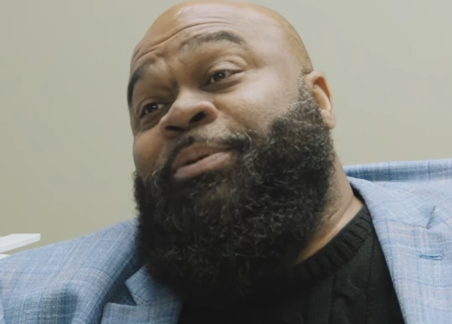
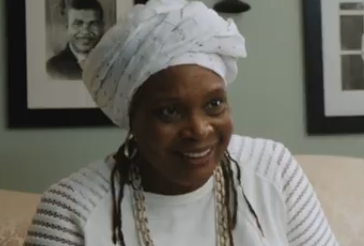
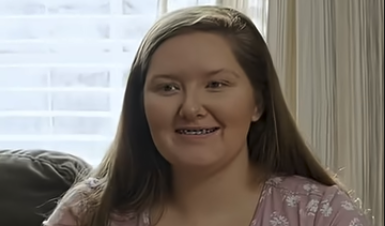
Bristol Action Group ensures their communities have what they need.
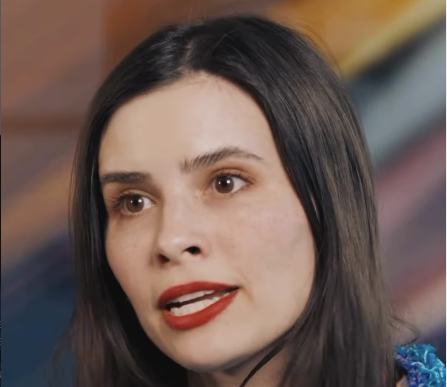
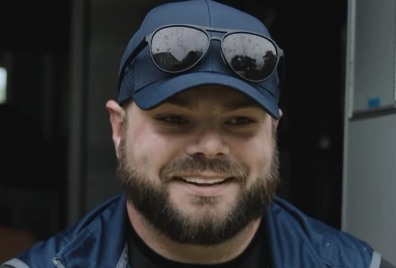
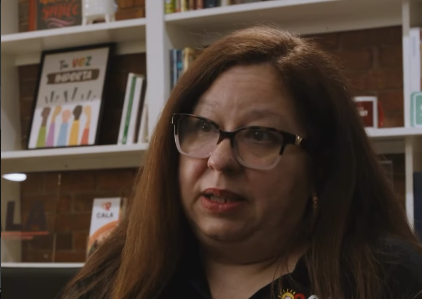
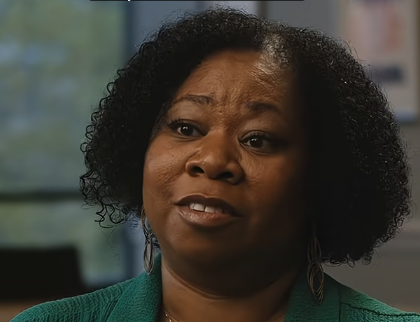
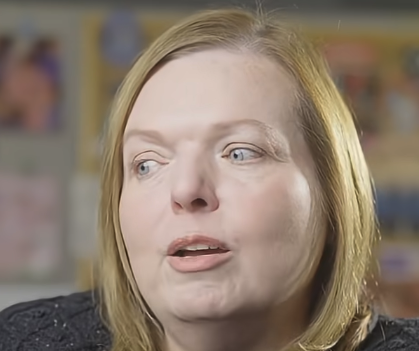
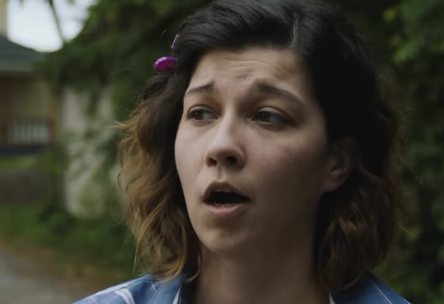
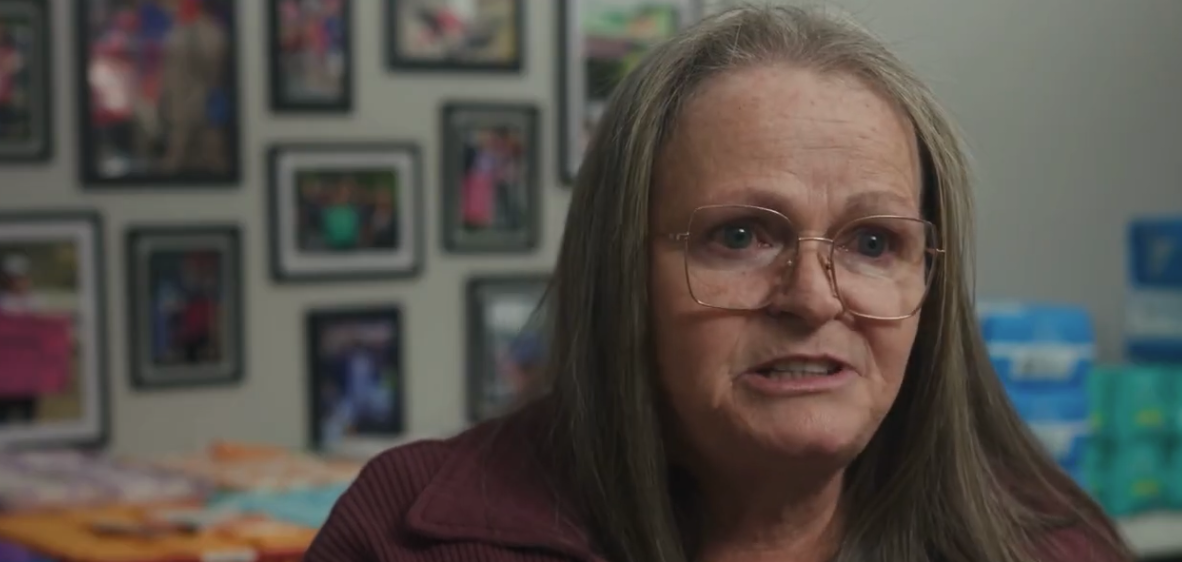
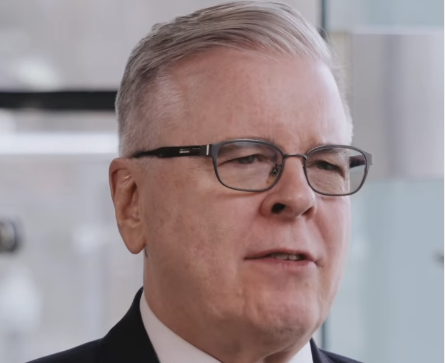
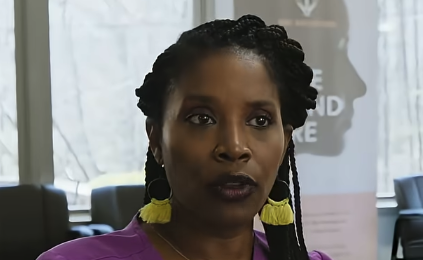
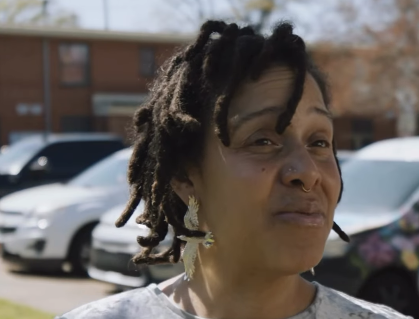
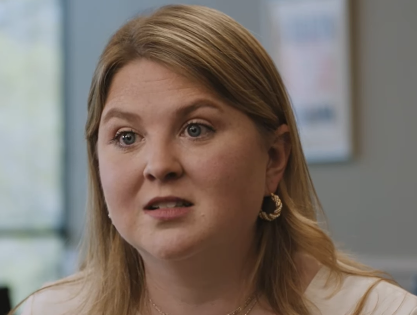
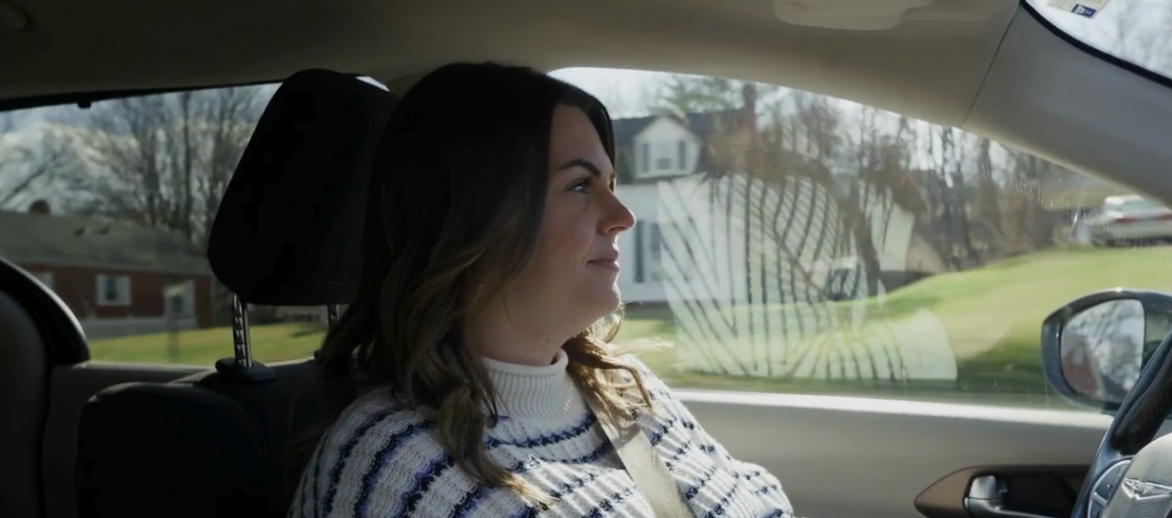
PLAYLIST: Kayla, a Tennessee doula and lactation specialist
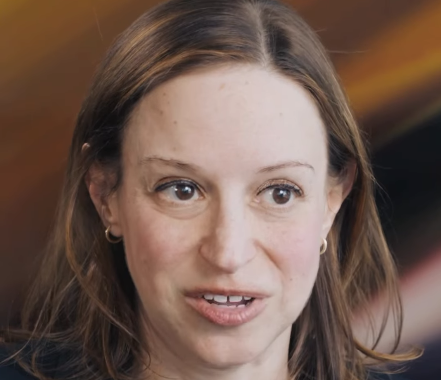
PLAYLIST: Rachel Fey, Reproductive Rights Policy Expert
A Social-First Documentary Series To Inspire Action
This is the story of how a perfect storm of policy failure, economic pressure, and political chaos is creating "health deserts," and breaking healthcare for all of us. It's a story about what happens when the system we rely on for survival leaves us behind.
The Problem: 80% of U.S. counties are now considered healthcare deserts, impacting over 120 million Americans (KFF)
The Compounding Deserts: These deserts overlap, creating a nightmare of zero-access zones. Over 30% of Americans lack adequate access to services like pharmacies, primary care providers, hospitals, and trauma centers.
35% of counties in the U.S. are classified as maternal health deserts, meaning they lack access to hospitals or birth centers providing obstetric care. These areas are home to over 2.3 million women of reproductive age and suffer from a lack of obstetric providers, leading to higher risks for mothers and babies. (MoD)
19 million women live in "contraceptive deserts," lacking access to a full range of birth control. (PTD)
"Standing In the Gap" is a series of short, powerful social-media-first documentary films (90-120 seconds), each telling a story of the crisis of health deserts in the U.S., while highlighting the heroes who are standing in the gap to ensure their communities can access care.
The goal of this series is threefold:
To educate Americans that these gaps to access exist, and affect all of us,
To encourage viewers to donate and support the orgs that are standing in the gap,
To encourage viewers to vote, to let their legislators know that these access gaps are not OK.